
 Facebook
 X
X LinkedIn
 Forward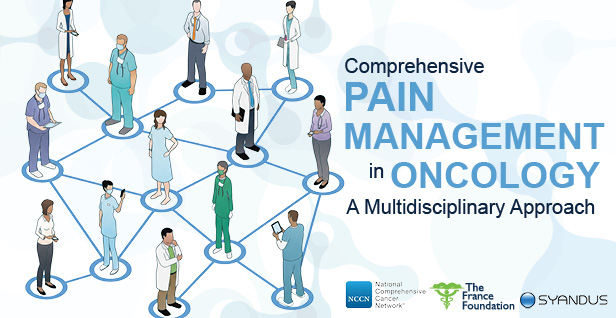
Coming soon!
In this activity, you will work through interactive, realistic patient scenarios and make clinical decisions at key points, simulating real-world challenges in the management of cancer-related pain. Through these simulations, you will gain hands-on experience applying evidence-based approaches and improving interprofessional decision-making in a safe, controlled environment. Practice your clinical decision-making and apply multimodal pain management strategies, while receiving targeted feedback and guided redirection that supports continued refinement of your responses until you reach and feel confident in the correct decision.
Top reasons to participate:
- Earn 3.0 REMS-compliant CME/CE credits for physicians, nurses, physician associates, pharmacists, and social workers
- Stay informed on the FDA Blueprint updates for opioid use.
- Engage with real-world case discussions for actionable insights.
Learning Objectives
- Explain core principles and mechanisms of cancer-related pain and its management
- Conduct evidence-based assessments of pain in patients with cancer that evaluate functional impact and screen for OUD risk factors
- Implement individualized pharmacologic and non-pharmacologic strategies tailored to pain type, function, and patient goals
- Integrate opioid analgesics into a comprehensive cancer pain plan when appropriate
- Execute the safe initiation, titration, monitoring, and discontinuation of opioid therapies
- Appraise the efficacy of analgesics based on objective functional outcomes and patient-reported relief
- Identify foundational concepts of addiction medicine and their intersection with oncology
- Counsel patients and caregivers on safe opioid storage and disposal, and the emergency use of naloxone
- Develop management strategies for patients with cancer who have a comorbid OUD
- Determine appropriate indications for referral to pain, palliative care, or addiction specialists.